
Polycystic Ovary Syndrome (PCOS) affects millions of women worldwide, and for many living in Dubai, finding the right approach to managing symptoms can feel overwhelming. The good news? Exercise is one of the most powerful tools available — and when done correctly, it can dramatically improve your quality of life.
What is PCOS and Why Does Exercise Matter?
PCOS is a hormonal condition that affects how the ovaries work. Common symptoms include irregular periods, weight gain, fatigue, mood swings, and difficulty losing weight. While medication can help, lifestyle changes — particularly exercise — play a crucial role in managing these symptoms long term.
Exercise helps by improving insulin sensitivity, one of the key underlying issues in PCOS. When your cells respond better to insulin, your body regulates blood sugar more effectively, which in turn helps balance hormones, reduce inflammation, and support healthy weight management.
The Best Types of Exercise for PCOS
1. Strength Training
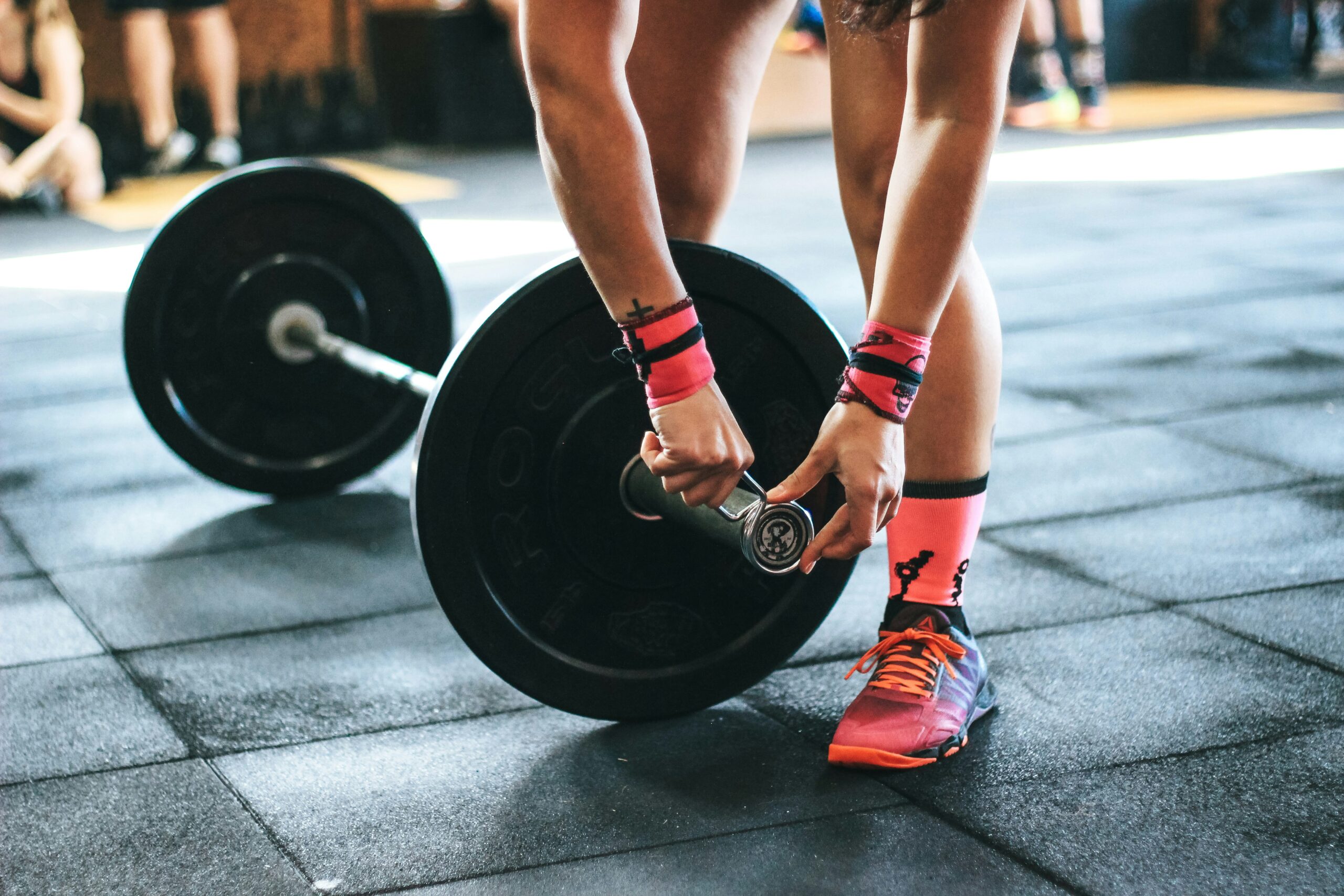
Strength training is arguably the most effective form of exercise for women with PCOS. Building muscle mass increases your metabolic rate, improves insulin sensitivity, and helps your body burn more calories at rest. Aim for 3 sessions per week focusing on compound movements like squats, deadlifts, and presses.
2. Low-Intensity Steady State Cardio (LISS)
Activities like walking, swimming, or cycling at a moderate pace are excellent for women with PCOS. Unlike high-intensity cardio, LISS does not spike cortisol levels — which is important because high cortisol worsens hormonal imbalance. A 30-45 minute walk daily can make a significant difference.
3. Yoga and Mobility Work
Stress management is critical for PCOS, as stress hormones directly impact reproductive hormones. Yoga and mobility sessions help lower cortisol, improve flexibility, and support recovery between harder training sessions.
What to Avoid If You Have PCOS
Excessive high-intensity interval training (HIIT) every day can actually worsen PCOS symptoms by raising cortisol levels. This does not mean you can never do HIIT — it simply means balance is key. Limit intense sessions to 1-2 times per week and prioritise recovery.
Exercise Tips Specific to Dubai’s Climate
Training in Dubai comes with unique challenges. The heat and humidity, especially between May and September, make outdoor exercise difficult. Here are some practical tips:
- Exercise outdoors early morning (before 8am) or after sunset during summer months
- Stay well hydrated — aim for at least 3 litres of water daily
- Consider indoor training with air conditioning to maintain consistency year-round
- Work with a personal trainer who understands how to adapt your programme for the climate
The Role of a Personal Trainer in Managing PCOS
Working with a qualified personal trainer in Dubai who understands PCOS can be transformative. A good trainer will design a programme that balances intensity with recovery, tracks your progress, and adjusts your plan as your symptoms evolve. They can also help you stay accountable on days when fatigue or low mood — both common PCOS symptoms — make it hard to stay motivated.
How Long Before You See Results?
Consistency is everything. Most women with PCOS begin to notice improvements in energy, mood, and sleep within 4-6 weeks of consistent training. Physical changes in body composition typically become visible after 8-12 weeks. The key is to focus on how you feel, not just how you look.
Getting Started
If you are living with PCOS in Dubai and are ready to take control of your health through exercise, the most important step is simply to start. You do not need a perfect plan — you need a consistent one. Whether you train at home, in a gym, or with a personal trainer, movement is medicine.
At Profit by Mony, our coaches specialise in working with women managing PCOS. We create personalised training programmes that work with your hormones, not against them. Get in touch to book your free consultation today.

